Introduction
Modern electronic devices are becoming smaller, faster, and more complex than ever before. As PCB designs continue to evolve, manufacturers face increasing challenges in maintaining product quality, controlling costs, and achieving efficient production.
This is why Design for Manufacturing (DFM) and Design for Assembly (DFA) have become critical components of successful turnkey PCB assembly projects.
Even the most advanced PCB design can experience manufacturing issues if it is not optimized for fabrication and assembly. Poorly designed boards often result in production delays, higher costs, assembly defects, and reduced product reliability.
DFM and DFA help eliminate these problems by ensuring that PCB designs are optimized for efficient manufacturing and assembly before production begins.
Understanding the role of DFM and DFA can help businesses improve production success, reduce errors, and create more reliable electronic products.
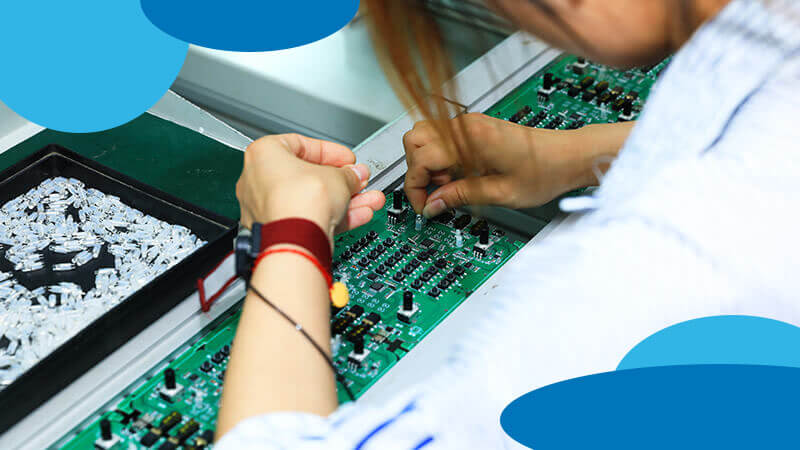
Choosing turnkey pcb assembly allows businesses to focus on product development while experienced professionals manage the manufacturing process. With advanced machinery and strict quality standards, these services help minimize production errors and improve reliability. Many industries, including automotive, medical, and consumer electronics, rely on this efficient production method for success.
What Is Turnkey PCB Assembly?
Turnkey PCB assembly is a complete manufacturing solution where one provider handles the entire PCB production process.
Services typically include:
- PCB fabrication
- Component sourcing
- SMT assembly
- Through-hole assembly
- Inspection and testing
- Final packaging and shipping
Because all manufacturing stages are managed by a single provider, turnkey PCB assembly creates an ideal environment for implementing DFM and DFA strategies effectively.
What Is Design for Manufacturing (DFM)?
Design for Manufacturing (DFM) is the process of designing PCBs in a way that simplifies fabrication and improves manufacturing efficiency.
The goal of DFM is to reduce production difficulties and minimize the risk of manufacturing defects.
DFM Focus Areas
DFM reviews commonly evaluate:
- Trace widths and spacing
- Via sizes
- Copper balancing
- Layer stack-up
- Solder mask clearances
- Thermal management
- Panelization
- Material selection
By identifying potential fabrication problems early, DFM helps manufacturers avoid costly production issues later.
What Is Design for Assembly (DFA)?
Design for Assembly (DFA) focuses on optimizing PCB layouts for efficient and reliable component assembly.
DFA aims to simplify assembly processes while reducing errors and improving production speed.
DFA Focus Areas
DFA analysis typically examines:
- Component placement
- Orientation consistency
- Spacing between parts
- Accessibility for soldering
- SMT compatibility
- Through-hole placement
- Automated assembly suitability
Good DFA practices help ensure smooth SMT and through-hole assembly operations.
Why DFM and DFA Matter in Turnkey PCB Assembly
Turnkey PCB assembly providers manage every stage of manufacturing, making DFM and DFA especially valuable.
Without proper design optimization, production may encounter:
- Assembly defects
- Poor soldering quality
- Manufacturing delays
- Increased rework
- Higher production costs
DFM and DFA help prevent these issues before fabrication begins.
Improving Manufacturing Efficiency
One of the biggest advantages of DFM and DFA is improved production efficiency.
Optimized PCB designs are easier to fabricate and assemble, which helps manufacturers:
- Reduce setup time
- Improve machine accuracy
- Increase production speed
- Minimize manual intervention
Efficient production workflows lower operational costs and improve delivery timelines.
Reducing Manufacturing Defects
Manufacturing defects are one of the most expensive challenges in electronics production.
Common PCB assembly defects include:
- Solder bridges
- Tombstoning
- Misaligned components
- Cold solder joints
- Insufficient solder coverage
DFM and DFA practices help reduce these issues by improving layout quality and assembly compatibility.
Example: Component Spacing
Components placed too closely together can create soldering problems during SMT assembly.
Proper spacing improves:
- Automated placement accuracy
- Solder joint quality
- Inspection accessibility
This leads to more reliable production results.
Lowering Production Costs
Poor PCB design often increases manufacturing expenses.
Common cost-related issues include:
- Rework requirements
- Scrap materials
- Low production yields
- Extended assembly time
- Additional testing needs
DFM and DFA reduce these inefficiencies by optimizing designs before production starts.
Cost Savings Through Optimization
Manufacturing-friendly designs help reduce:
- Material waste
- Labor costs
- Machine downtime
- Inspection failures
These improvements contribute directly to lower overall production costs.
Enhancing Product Reliability
Product reliability is essential in industries such as:
- Medical electronics
- Automotive systems
- Aerospace technology
- Industrial automation
DFM and DFA improve reliability by minimizing manufacturing inconsistencies and assembly defects.
Thermal Management Optimization
Poor thermal design can cause overheating and reduce component lifespan.
DFM analysis helps improve:
- Heat dissipation
- Copper distribution
- Thermal via placement
- Airflow compatibility
Better thermal performance improves long-term product durability.
Supporting Automated Assembly
Modern turnkey PCB assembly relies heavily on automated SMT equipment.
PCB designs that are not optimized for automation can create production problems such as:
- Misplacement errors
- Machine stoppages
- Reduced assembly speed
DFA Improves Automation Compatibility
DFA guidelines help ensure designs support:
- Automated pick-and-place systems
- Reflow soldering
- AOI inspection
- High-speed assembly equipment
Automation-friendly designs improve both efficiency and consistency.
Improving PCB Fabrication Quality
DFM plays a major role in improving PCB fabrication outcomes.
Improper design choices can create fabrication difficulties such as:
- Broken traces
- Drilling inaccuracies
- Copper imbalance
- Layer registration problems
DFM Helps Optimize Fabrication
Manufacturers review designs to ensure:
- Manufacturable trace dimensions
- Proper drill tolerances
- Balanced copper distribution
- Suitable board materials
These improvements help increase fabrication yields and board quality.
Minimizing Rework and Delays
Production delays often occur when manufacturing problems are discovered after fabrication or assembly begins.
Rework can involve:
- PCB redesign
- Manual solder repair
- Component replacement
- Additional testing
These corrections increase production costs and delay product delivery.
Early Problem Detection
DFM and DFA reviews identify potential issues during the design stage, where changes are faster and less expensive.
Early optimization significantly reduces production risks.
Better Component Placement Strategies
Proper component placement is essential for efficient PCB assembly.
Poor placement can create:
- Signal interference
- Thermal problems
- Difficult soldering access
- Assembly conflicts
DFA Placement Optimization
DFA guidelines improve placement by considering:
- Signal routing efficiency
- Heat-sensitive components
- Assembly accessibility
- Mechanical stability
Well-organized layouts improve both functionality and manufacturability.
Supporting High-Density PCB Designs
Modern electronics increasingly use:
- Fine-pitch components
- BGAs
- HDI boards
- Multi-layer PCBs
These advanced technologies require careful DFM and DFA planning.
High-Density Design Challenges
Compact PCB layouts increase the risk of:
- Solder bridging
- Inspection difficulties
- Thermal buildup
- Routing congestion
DFM and DFA help manufacturers manage these challenges more effectively.
Improving Testing Accessibility
PCB testing is essential for quality assurance.
However, poor layouts can make testing difficult or incomplete.
DFA Helps Testing Procedures
Good DFA practices ensure:
- Accessible test points
- Probe compatibility
- Inspection visibility
- Functional testing support
Improved testing access enhances product quality and defect detection.
Collaboration Between Designers and Manufacturers
One of the biggest advantages of turnkey PCB assembly is close collaboration between engineering and manufacturing teams.
Manufacturers can provide:
- DFM recommendations
- DFA optimization suggestions
- Material guidance
- Assembly feedback
This collaborative approach improves production success and reduces costly revisions.
Industries That Benefit From DFM and DFA
Many industries rely heavily on optimized PCB design practices.
Medical Devices
Require high reliability and strict manufacturing standards.
Automotive Electronics
Demand durable and defect-free assembly.
Consumer Electronics
Need cost-efficient high-volume production.
Aerospace Systems
Require precision manufacturing and advanced testing.
Industrial Automation
Depend on long-term reliability and thermal performance.
Future Trends in DFM and DFA
As PCB technology continues to evolve, DFM and DFA strategies are becoming even more advanced.
Emerging trends include:
- AI-driven design analysis
- Automated DFM software
- Digital twin simulations
- Smart manufacturing integration
- Real-time assembly optimization
These technologies will further improve production accuracy and manufacturing efficiency.
Conclusion
DFM and DFA play a critical role in successful turnkey PCB assembly by optimizing designs for efficient fabrication and reliable assembly. These processes help manufacturers reduce defects, lower production costs, improve quality, and accelerate manufacturing timelines.
By identifying potential problems before production begins, DFM and DFA create smoother manufacturing workflows and more reliable electronic products.
As electronic systems become increasingly complex, businesses that prioritize manufacturing-ready PCB designs will gain a significant advantage in quality, scalability, and long-term production success.