
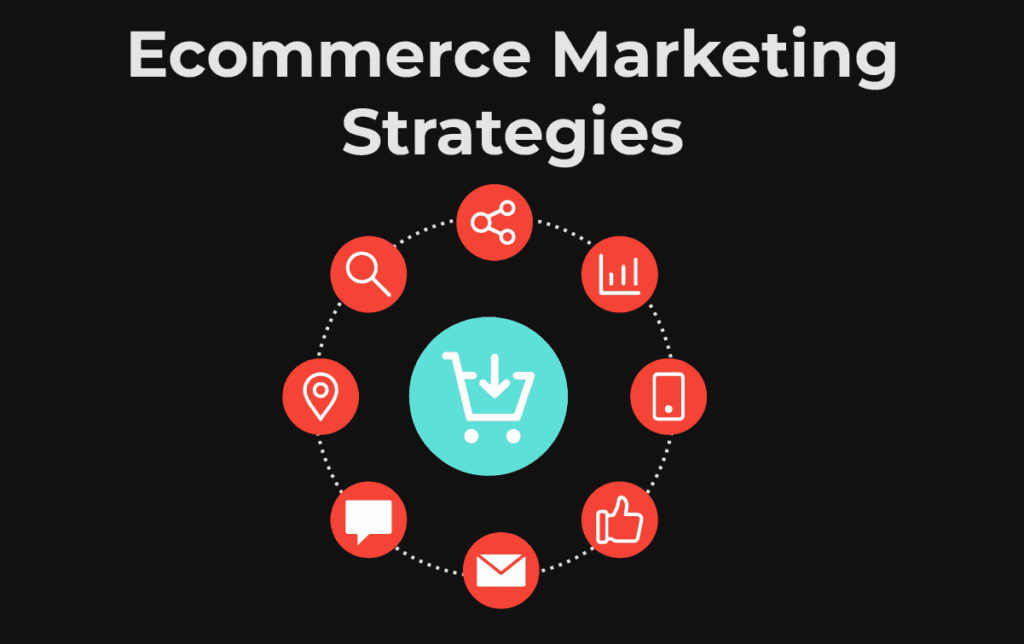
Launching an online store is easier than ever, but gaining early traction is where most new e-commerce businesses struggle. With limited brand recognition, tight budgets, and intense competition, success depends on making smart, focused decisions from day one. The strategies below are practical, proven, and designed specifically for new online stores that need results without wasting time or resources.
Finding authentic Japanese swords Canada collectors trust is easier with our carefully selected katana collection. We sell traditionally forged Japanese katanas made with attention to detail, durability, and heritage, serving enthusiasts, practitioners, and collectors throughout Canada who value quality and authenticity.
Start With a Narrow and Clear Product Focus
Many new stores fail by trying to sell too much too soon. A focused offering helps customers quickly understand what you sell and why it matters.
Why a narrow focus works:
-
Makes your brand message clearer and easier to remember
-
Simplifies marketing and ad targeting
-
Positions your store as a specialist rather than a general seller
Instead of listing dozens of unrelated products, start with a small, well-curated selection that solves a specific problem for a specific audience.
Build Trust Before You Try to Scale
Early visitors are often skeptical, especially when dealing with a new brand. Trust-building elements should be visible throughout your store.
Key trust signals to include:
-
Clear contact information and support options
-
Transparent shipping, return, and refund policies
-
Secure payment badges and SSL certification
-
Real product images instead of generic stock photos
Trust doesn’t come from flashy design alone. It comes from clarity, honesty, and consistency.
Optimize Product Pages for Conversion, Not Just Traffic
Driving traffic is pointless if visitors don’t convert. Product pages should answer questions, remove doubts, and guide decisions.
Strong product pages typically include:
-
Benefit-driven product descriptions
-
Clear pricing with no hidden costs
-
High-quality images from multiple angles
-
Simple and visible call-to-action buttons
Focus on helping customers make confident buying decisions rather than overwhelming them with unnecessary details.
Leverage Social Proof Early and Strategically
Even a small amount of social proof can make a big difference for a new store.
Ways to build early social proof:
-
Offer incentives for first customers to leave reviews
-
Highlight user-generated photos or testimonials
-
Showcase early sales milestones or customer counts
Authentic feedback, even in small numbers, feels more believable than exaggerated claims.
Use Content to Attract the Right Audience
Content marketing helps new e-commerce stores attract organic traffic while building credibility.
Effective content ideas include:
-
Buying guides related to your products
-
How-to articles that solve customer problems
-
Comparison posts explaining product differences
Well-written content positions your store as helpful and knowledgeable, not just transactional.
Focus on One or Two Marketing Channels First
Trying to be everywhere at once usually leads to burnout and poor results. Early traction comes from mastering a few channels, not juggling many.
Good early-stage channels often include:
-
Search engine optimization for long-tail keywords
-
Social media platforms where your audience already spends time
-
Email marketing for nurturing early visitors
Once one channel starts delivering consistent results, expanding becomes far less risky.
Simplify the Checkout and Fulfillment Experience
A smooth buying experience encourages first-time buyers to complete their purchase and return later.
Ways to reduce friction:
-
Minimize the number of checkout steps
-
Offer multiple payment options
-
Communicate delivery timelines clearly
Operational reliability matters just as much as marketing when building early momentum.
Track Data and Adjust Quickly
Early-stage e-commerce is about learning fast. Monitor what works and refine what doesn’t.
Metrics worth tracking early:
-
Conversion rates by traffic source
-
Cart abandonment patterns
-
Repeat visitor behavior
Small improvements based on real data compound quickly and help you avoid costly mistakes.
FAQ
How long does it usually take for a new e-commerce store to gain traction?
Most new stores see initial traction within 3–6 months if they focus on a clear niche, consistent marketing, and conversion optimization.
Is paid advertising necessary for early e-commerce growth?
Paid ads can help, but they are not mandatory. Organic traffic, content, and social proof can also drive early results when budgets are limited.
How many products should a new online store launch with?
Launching with 5–15 well-chosen products is often more effective than offering a large catalog at the start.
What is the biggest mistake new e-commerce stores make?
Trying to scale too quickly without validating products, messaging, or customer trust.
Should new stores focus more on branding or sales?
Both matter, but early efforts should prioritize clarity, trust, and conversions rather than expensive branding exercises.
How important is customer support in the early stages?
Very important. Responsive support builds trust, encourages reviews, and increases repeat purchases.
Can small e-commerce stores compete with large marketplaces?
Yes. Niche focus, personalized service, and authentic branding allow small stores to compete effectively without matching scale.
If you want, I can also adapt this article for a specific niche (fashion, electronics, handmade goods, digital products) or rewrite it to match a guest-post or SEO-focused style.


