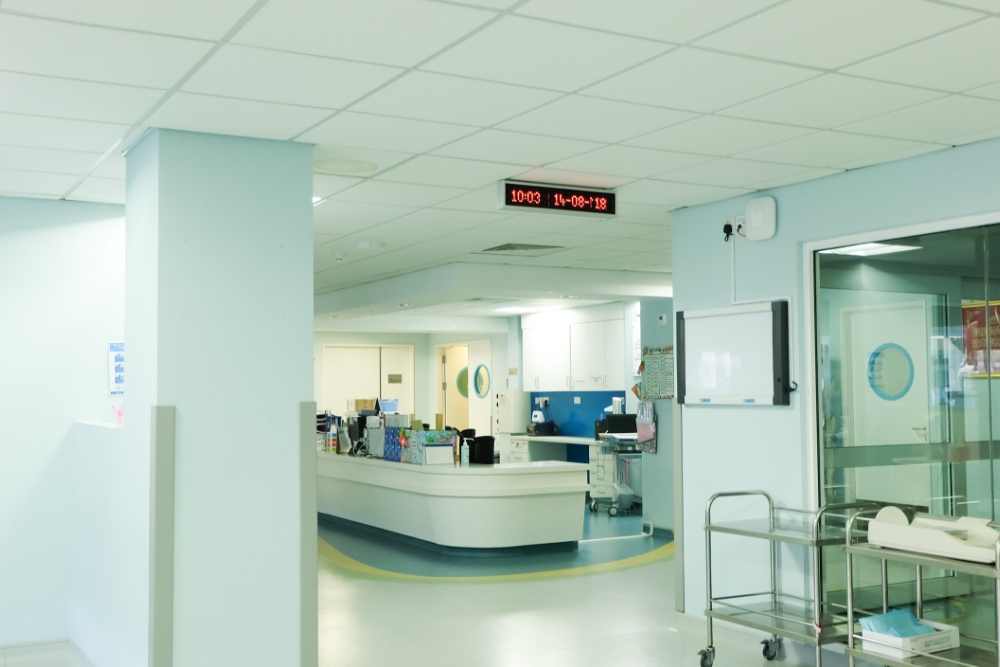
Creating a new healthcare facility or refurbishing an existing one involves a complex set of considerations. From initial planning to final implementation, every decision influences patient care, staff efficiency, and regulatory compliance. A well-executed fitout goes beyond aesthetics; it builds an environment that supports healing and promotes wellbeing for everyone who steps inside.
Successful projects begin with a clear vision. This vision must address the specific needs of the community and the services to be provided. Developing functional Concept Health Spaces on paper is the first step toward building a facility that meets the stringent demands of the Australian healthcare sector. This involves detailed consideration of workflow, patient privacy, infection control, and accessibility, all while adhering to national construction codes and health facility guidelines.
The planning stage is foundational to the entire process. This is where you define the project’s scope, budget, and timeline. Engaging with professionals who understand the specific requirements of medical, dental, or allied health environments is beneficial. They can help translate your clinical needs into a practical design that optimises space and supports operational objectives, ensuring the final build is both functional and future-proof.
Designing for Compliance and Functionality
A primary aspect of any healthcare fitout is adherence to Australian standards. This includes everything from the correct specification of flooring and lighting to the layout of treatment rooms and sterilisation areas. The design must facilitate easy cleaning, minimise the risk of cross-contamination, and provide a safe environment for both patients and staff.
Consider the flow of people through the space. Reception areas should be welcoming and efficient, while clinical zones must prioritise privacy and ease of movement for practitioners. Thoughtful spatial planning can significantly improve the patient experience and allow your team to work more effectively. Integrating technology, such as patient management systems and diagnostic equipment, seamlessly into the design is also a significant part of a modern fitout.
Material Selection and Future-Proofing
The materials chosen for a healthcare setting must be durable, hygienic, and compliant. Surfaces should be non-porous and easy to sanitise. From joinery finishes to wall paints, every selection has an impact on infection control and long-term maintenance costs. Investing in quality materials from the outset can prevent costly repairs and replacements down the line.
Furthermore, thinking about the future is important. A successful fitout should be adaptable to changing technologies and care models. Incorporating modular design elements or planning for potential expansion can provide the flexibility needed to evolve with the healthcare industry. By focusing on a combination of compliance, functionality, and forward-thinking design, you can ensure your healthcare fitout is a success for years to come.