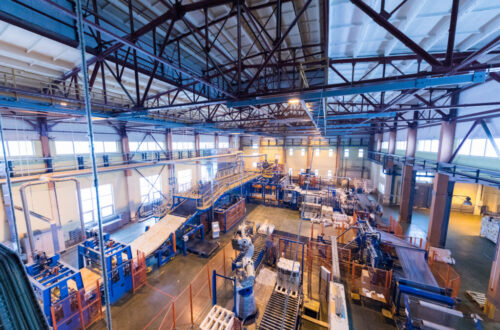
Manufacturing industries today operate in an environment shaped by rapid globalization, technological advancement, and shifting economic conditions. While access to international markets creates new opportunities, it also introduces complex challenges that manufacturers must address to remain competitive, resilient, and profitable. Understanding these challenges is essential for decision-makers navigating an increasingly interconnected global landscape.
Global Supply Chain Disruptions
One of the most pressing challenges for manufacturers is managing global supply chain volatility. Events such as geopolitical tensions, natural disasters, pandemics, and transportation bottlenecks can disrupt the flow of raw materials and components.
Key impacts include:
-
Delayed production schedules
-
Rising logistics and procurement costs
-
Inconsistent product availability
Manufacturers are now forced to rethink sourcing strategies, diversify suppliers, and build greater flexibility into their supply chains to reduce dependency on single regions.
Rising Production and Labor Costs
Operating in a global market exposes manufacturers to fluctuating costs across multiple regions. Labor wages, energy prices, and raw material costs vary widely and can change with little warning.
Common cost-related challenges include:
-
Wage inflation in skilled labor markets
-
Higher energy and fuel expenses
-
Increased compliance and safety costs
Balancing cost efficiency without compromising quality has become a constant strategic challenge.
Technological Gaps and Digital Transformation
Advanced technologies such as automation, data analytics, and smart manufacturing systems are becoming industry standards. However, adopting these technologies is not equally easy for all manufacturers.
Key barriers include:
-
High upfront investment requirements
-
Lack of digital skills among the workforce
-
Integration issues with legacy systems
Falling behind in digital adoption can result in reduced productivity and loss of competitive advantage.
Regulatory and Compliance Complexity
Manufacturers operating across borders must comply with multiple regulatory frameworks, each with its own standards for safety, labor, environmental protection, and product quality.
Challenges in this area include:
-
Frequent regulatory changes
-
Inconsistent standards between countries
-
Higher administrative and documentation workloads
Non-compliance can lead to fines, shipment delays, or damage to brand reputation.
Quality Control Across Distributed Operations
Maintaining consistent quality becomes more difficult when production is spread across multiple locations or outsourced to international partners.
Manufacturers often struggle with:
-
Varying production standards
-
Limited visibility into overseas operations
-
Increased inspection and auditing costs
Ensuring uniform quality is essential to protect customer trust in global markets.
Workforce Skills and Talent Shortages
As manufacturing becomes more technology-driven, the demand for skilled workers continues to grow. Many regions face shortages in technical and engineering talent.
Key workforce challenges include:
-
Difficulty attracting specialized skills
-
Aging labor populations in certain markets
-
Increased training and reskilling requirements
Without the right talent, even well-equipped manufacturers may fail to achieve operational goals.
Competitive Pressure From Global Players
Globalization has intensified competition, allowing manufacturers from different regions to compete in the same markets. Price sensitivity, faster innovation cycles, and customer expectations place constant pressure on manufacturers.
Competitive challenges often involve:
-
Shorter product life cycles
-
Pressure to reduce prices
-
Need for faster time-to-market
Staying competitive requires continuous improvement and strategic differentiation.
Managing Sustainability Expectations
Environmental responsibility is no longer optional in global manufacturing. Customers, regulators, and investors increasingly expect sustainable practices.
Manufacturers face challenges such as:
-
Reducing carbon emissions
-
Managing waste and resource efficiency
-
Meeting sustainability reporting standards
Aligning sustainability goals with profitability remains a delicate balance.
FAQ
1. Why are global supply chains more vulnerable today?
Global supply chains rely on interconnected regions, making them sensitive to disruptions such as political instability, transportation issues, and sudden demand changes.
2. How do rising costs affect manufacturing competitiveness?
Higher production and labor costs reduce profit margins and make it harder to compete on price in international markets.
3. What makes digital transformation difficult for manufacturers?
High investment costs, lack of skilled personnel, and compatibility issues with existing systems slow down digital adoption.
4. Why is regulatory compliance more complex in global manufacturing?
Different countries enforce varying regulations, requiring manufacturers to adapt processes and documentation for each market.
5. How can manufacturers maintain quality across global operations?
Standardized processes, regular audits, and strong supplier relationships help maintain consistent quality levels.
6. What role does workforce development play in overcoming challenges?
Investing in training and skill development ensures employees can operate advanced technologies and adapt to changing demands.
7. Why is sustainability a growing challenge for manufacturers?
Global expectations for environmental responsibility require manufacturers to reduce environmental impact while controlling costs.
If you want, I can also tailor this article for a specific manufacturing sector or region, or adjust the tone for a business blog or industry portal.