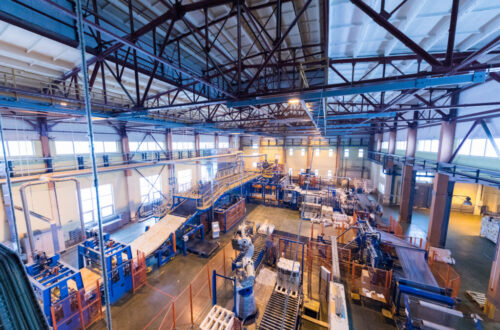
For decades, traditional industries relied on stable processes, manual expertise, and long-established business models. Manufacturing, construction, logistics, agriculture, and retail were often seen as resistant to change. Today, that perception no longer holds. Rapid digital advancement is reshaping how these industries operate, compete, and grow. Rather than being replaced, many traditional sectors are actively adapting by blending proven practices with modern technology.
Why Digital Change Can No Longer Be Ignored
Digital change is no longer driven by trends alone. It is shaped by customer expectations, global competition, and the need for efficiency. Businesses that once operated locally now face digitally enabled competitors with broader reach and lower operating costs.
Key pressures pushing traditional industries toward digital adoption include:
-
Demand for faster service and transparency
-
Rising operational costs
-
Labor shortages and skill gaps
-
Increased regulatory and compliance requirements
-
Data-driven decision-making becoming standard
Ignoring these forces often leads to declining relevance rather than stability.
Modernizing Legacy Systems Without Disruption
One of the biggest challenges for traditional industries is updating old systems without halting daily operations. Full replacement is rarely practical. Instead, many companies choose gradual modernization.
Common approaches include:
-
Digitizing records and documentation to reduce manual errors
-
Integrating cloud-based tools alongside existing software
-
Automating repetitive tasks while preserving human oversight
-
Using modular technologies that scale over time
This step-by-step transition allows businesses to improve efficiency without risking operational continuity.
The Role of Data in Smarter Decision-Making
Traditional industries generate vast amounts of data, but historically much of it went unused. Digital tools now make it easier to collect, analyze, and act on information in real time.
Businesses are leveraging data to:
-
Predict equipment maintenance needs
-
Optimize inventory and supply chains
-
Improve quality control
-
Reduce waste and downtime
-
Enhance safety standards
By turning raw data into practical insights, organizations gain better control over costs and performance.
Workforce Transformation and Skill Development
Digital change is not only about technology; it is equally about people. As systems evolve, so do job roles. Many traditional industries are investing in workforce upskilling rather than replacement.
Key workforce strategies include:
-
Training employees on digital tools and platforms
-
Encouraging cross-functional collaboration
-
Blending experienced workers with tech-savvy talent
-
Promoting a culture of continuous learning
This balanced approach helps preserve institutional knowledge while embracing innovation.
Customer-Centric Digital Experiences
Customers interacting with traditional industries now expect the same digital convenience they receive elsewhere. Businesses are responding by improving how they communicate and deliver value.
Examples of customer-focused digital adaptation include:
-
Online portals for tracking orders or project progress
-
Digital invoicing and payment systems
-
Virtual consultations and remote support
-
Personalized communication based on customer data
These improvements strengthen trust and make long-term relationships easier to maintain.
Balancing Innovation With Proven Practices
Successful adaptation does not mean abandoning traditional strengths. Many industries thrive by combining reliability with innovation. Long-standing expertise, quality standards, and customer relationships remain valuable assets.
The most effective digital strategies:
-
Support existing workflows rather than disrupt them
-
Enhance craftsmanship with precision tools
-
Improve consistency without reducing flexibility
-
Align technology with real business needs
This balance ensures digital change adds value instead of complexity.
Preparing for a Digitally Resilient Future
Digital transformation is an ongoing process, not a one-time initiative. Traditional industries that view adaptation as continuous improvement are better positioned to handle future disruptions.
Long-term readiness involves:
-
Regular technology assessments
-
Scalable digital investments
-
Clear leadership commitment
-
Measurable performance benchmarks
By planning ahead, businesses remain resilient in an increasingly digital economy.
FAQs
How long does digital transformation take for traditional industries?
The timeline varies widely. Many companies see gradual improvements within months, while full transformation can take several years depending on scale and complexity.
Is digital adoption expensive for small traditional businesses?
Not necessarily. Many digital tools are modular and affordable, allowing small businesses to start with essential upgrades and expand over time.
Do digital tools replace skilled workers in traditional sectors?
In most cases, they enhance productivity rather than replace workers. Technology supports better decision-making and reduces repetitive manual tasks.
What is the biggest risk of digital change in traditional industries?
Poor planning and lack of employee buy-in are major risks. Successful adoption requires clear goals and proper training.
How can leadership support digital adaptation?
Leadership plays a critical role by setting priorities, allocating resources, and fostering a culture open to learning and change.
Can traditional industries remain competitive without going digital?
In the long run, it is difficult. Digital tools are becoming essential for efficiency, compliance, and customer engagement.
What is the first step toward digital transformation?
Assessing current processes and identifying areas where technology can solve real problems is often the most effective starting point.