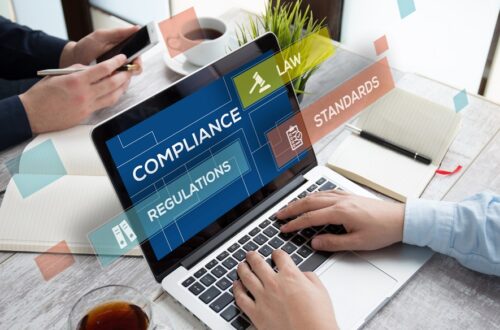
As a business grows, legal and compliance responsibilities expand alongside revenue and headcount. What once felt optional or manageable through informal practices can quickly turn into serious risk if ignored. Understanding legal and compliance basics is not about adding bureaucracy—it is about protecting the business, building trust, and creating a stable foundation for long-term growth.
Many businesses face setbacks not because their product fails, but because legal obligations are misunderstood or overlooked. Knowing the fundamentals early helps prevent costly disputes, penalties, and operational disruptions.
Choosing the Right Business Structure
The legal structure of a business shapes everything from taxation to personal liability. Selecting the wrong structure can expose owners to unnecessary risk or limit future growth.
Common considerations include:
-
Liability protection for owners and directors
-
Tax treatment and reporting requirements
-
Ease of raising capital or adding partners
-
Compliance obligations tied to each structure
As a business scales, it may need to reassess whether its original structure still aligns with its goals and risk profile.
Contracts and Agreements That Protect the Business
Clear, well-drafted contracts are essential for reducing misunderstandings and enforcing rights. Verbal agreements or generic templates often fail when disputes arise.
Key contracts every growing business should manage carefully include:
-
Client and customer agreements
-
Vendor and supplier contracts
-
Employment and independent contractor agreements
-
Partnership or shareholder agreements
Contracts should clearly define responsibilities, payment terms, termination clauses, and dispute resolution methods to avoid ambiguity.
Employment Laws and Workplace Compliance
Hiring employees introduces a new layer of legal responsibility. Labor laws govern wages, working hours, benefits, safety, and employee rights, and these regulations vary by region.
Core compliance areas include:
-
Proper classification of employees versus contractors
-
Minimum wage and overtime rules
-
Workplace health and safety standards
-
Anti-discrimination and harassment policies
Ignoring employment regulations can lead to fines, lawsuits, and reputational damage that affect both morale and growth.
Tax Compliance and Financial Reporting
Tax obligations grow more complex as revenue increases and operations expand. Missing filings or misreporting income can trigger audits and penalties.
Businesses must stay consistent with:
-
Timely tax filings and payments
-
Accurate financial records
-
Applicable indirect taxes or sales taxes
-
Withholding and payroll tax obligations
Maintaining organized financial documentation supports compliance and makes audits far less disruptive.
Data Protection and Privacy Responsibilities
As businesses collect customer and employee data, data protection becomes a legal obligation rather than a technical concern. Regulations increasingly require transparency and accountability in how data is handled.
Important practices include:
-
Clear privacy policies
-
Secure data storage and access controls
-
Consent management for data collection
-
Procedures for handling data breaches
Failing to protect data can result in fines and loss of customer trust, both of which are difficult to recover from.
Intellectual Property Awareness
Intellectual property often represents a significant portion of a growing company’s value. Without proper protection, competitors may copy branding, content, or products.
Businesses should pay attention to:
-
Trademarks for brand names and logos
-
Copyrights for content and creative assets
-
Confidentiality agreements to protect trade secrets
Understanding ownership and usage rights avoids disputes and strengthens the company’s market position.
Regulatory Compliance Across Industries
Different industries face different regulatory standards. As a business expands into new markets or offers new services, compliance requirements may change.
Areas to monitor include:
-
Licensing and permits
-
Industry-specific standards
-
Advertising and marketing regulations
-
Consumer protection laws
Regular compliance reviews help ensure that growth does not outpace legal readiness.
Building a Compliance-First Business Culture
Compliance works best when it is embedded into everyday operations rather than treated as an afterthought. Training employees and documenting processes reduces the risk of unintentional violations.
Practical steps include:
-
Written policies and procedures
-
Regular compliance training
-
Clear reporting channels for concerns
-
Periodic legal reviews
This approach supports consistent decision-making and builds confidence among stakeholders.
FAQ
Why is legal compliance important for small but growing businesses?
Legal compliance helps prevent fines, lawsuits, and operational disruptions that can stall or reverse growth.
When should a business review its legal structure?
A review is recommended during major growth milestones such as adding partners, expanding locations, or increasing revenue significantly.
Do startups really need formal contracts early on?
Yes, formal contracts protect relationships and clarify expectations before misunderstandings arise.
How often should employment policies be updated?
Policies should be reviewed regularly, especially when hiring increases or labor laws change.
What are the risks of ignoring data protection regulations?
Risks include financial penalties, legal action, and loss of customer trust.
Is legal compliance a one-time setup or an ongoing process?
Compliance is ongoing and must evolve as the business grows and regulations change.
Can small businesses manage compliance without legal professionals?
Basic compliance can be managed internally, but professional guidance becomes important as complexity increases.