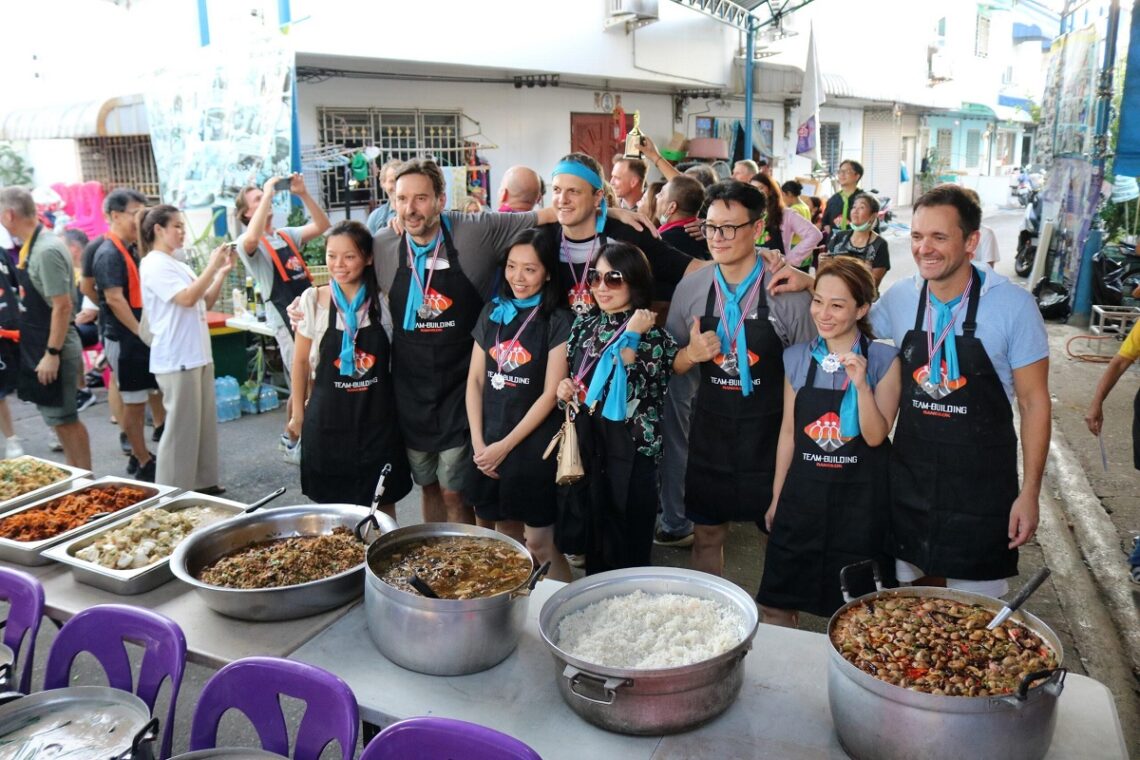
Annual offsites often carry a lot of expectation. They are supposed to motivate the team, justify time away from daily work, and leave people feeling re-energised rather than over-scheduled. For businesses looking to bring more meaning into that agenda, xlevents.com.au Integrate CSR Team Building Cooking offers a strong example of how a cooking-based CSR activity can become a valuable part of the day rather than an add-on.
Why Cooking Works So Well in a CSR Setting
Cooking activities have a practical rhythm that suits team events. People quickly understand the task, there is a clear shared objective, and everyone can contribute in some way. Add a CSR element, such as preparing meals or resources that support a charitable cause, and the activity takes on a wider sense of purpose without losing its energy.
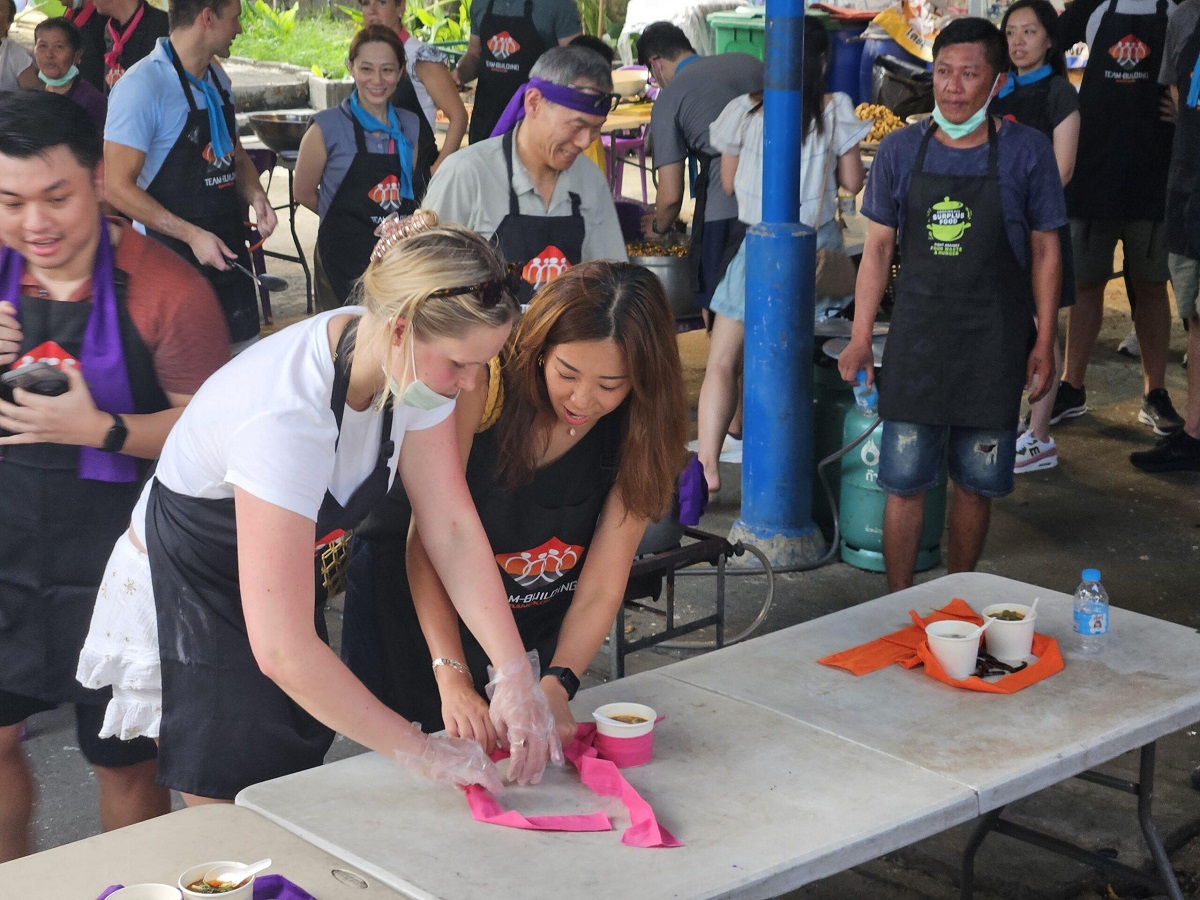
That combination is what makes it so effective at an offsite. Standard workshop sessions often ask people to absorb information for hours at a time. A CSR cooking session changes the pace completely. It gets people moving, talking, planning, improvising, and helping each other under light pressure. At the same time, the outcome feels useful beyond the team itself.
It also avoids the stiffness that can affect some corporate activities. People tend to relax in a kitchen-style environment because the task feels familiar, hands-on, and social. Even those who are not confident cooks can take on roles around preparation, timing, plating, organisation, or coordination. That makes the format inclusive, which is essential when the offsite includes a mix of personalities and seniority levels.
The Best Place for It Is Usually the Middle of the Day
One of the biggest mistakes companies make with offsite planning is placing the most engaging activity at the wrong point in the schedule. CSR cooking works best when it is integrated deliberately, not slotted in wherever there is space.
For many businesses, the strongest position is in the middle of the day. A morning often starts with strategy sessions, company updates, or leadership discussions. By late morning or early afternoon, people are ready for a change in pace. That is where a cooking activity can act as a reset. It breaks up screen-heavy or presentation-led sessions and brings the group into a more collaborative, active mindset.
It can also shape the tone of the rest of the offsite. After doing something practical and people-focused together, teams often return to later discussions with better energy and a stronger sense of connection. The social barriers that can linger through formal sessions tend to soften once people have worked side by side on something tangible.
For multi-day offsites, a CSR cooking session can also work well on the first afternoon. It helps people settle into the event, especially if attendees have travelled in from different offices or have not spent much in-person time together recently.
Planning Needs to Match the Team, Not Just the Theme
A CSR activity may sound appealing in principle, but it still has to suit the realities of the group. Team size, venue type, timings, dietary requirements, and travel logistics all play a part in whether it feels smooth and worthwhile.
A smaller leadership team may benefit from a more intimate format with room for conversation and reflection. A larger company gathering may need a more structured setup with clearly defined stations, group roles, and facilitation. The venue matters too. Some offsite locations are ideal for interactive sessions, while others are better suited to talks and breakout discussions, meaning external setup may be needed.
Australian offsites also vary widely depending on city and climate. A Sydney event may need to work around tighter schedules and central venues, while a Melbourne offsite might lend itself to a more layered experience with food and conversation built naturally into the day. In Brisbane, Perth, or Adelaide, the venue setting can open up more relaxed formats, but weather and transport still need proper thought.
The cooking activity should feel like it belongs within the wider offsite, not like it has been brought in from a different event entirely. When the schedule, location, and group dynamic are properly considered, it fits naturally and supports the wider goals of the day.
A Well-Planned CSR Session Gives the Offsite More Substance
Many offsites are enjoyable in the moment but leave little behind once everyone returns to work. A CSR cooking activity has the potential to do more because it combines teamwork with contribution. It gives people a shared memory, but it also gives the day greater substance.
That matters for culture. Staff can usually tell when an event has been designed with care and when it is simply trying to appear engaging. A CSR-based cooking experience feels more grounded because it connects team interaction with something outward-facing and useful. It shows that the company values not only collaboration, but also impact.
There is also a practical benefit. Activities like this reveal team behaviours in a natural way. You see who communicates clearly, who keeps calm under time pressure, who notices the details, and who steps in to support others. Those are valuable observations that rarely emerge as clearly in a meeting room.
An annual offsite should leave people with more than a few photos and a packed agenda. When a CSR cooking experience is built into the day thoughtfully, it brings warmth, purpose, and genuine team value to the event in a way few standard sessions can match.